

Call Us
+86-15862360430
Email Us
elsa@szfineera.com

How Does a Duroplast Toilet Seat Enhance Bathroom Hygiene and Durability?
Article Summary
Duroplast toilet seats are increasingly preferred in both residential and commercial bathrooms due to their high durability, ease of cleaning, and resistance to scratches, stains, and bacteria. This guide explores the material properties of Duroplast, key benefits, selection criteria, common issues faced by users, and maintenance tips. It aims to provide actionable insights for homeowners, facility managers, and designers looking for long-lasting and hygienic toilet seat solutions.
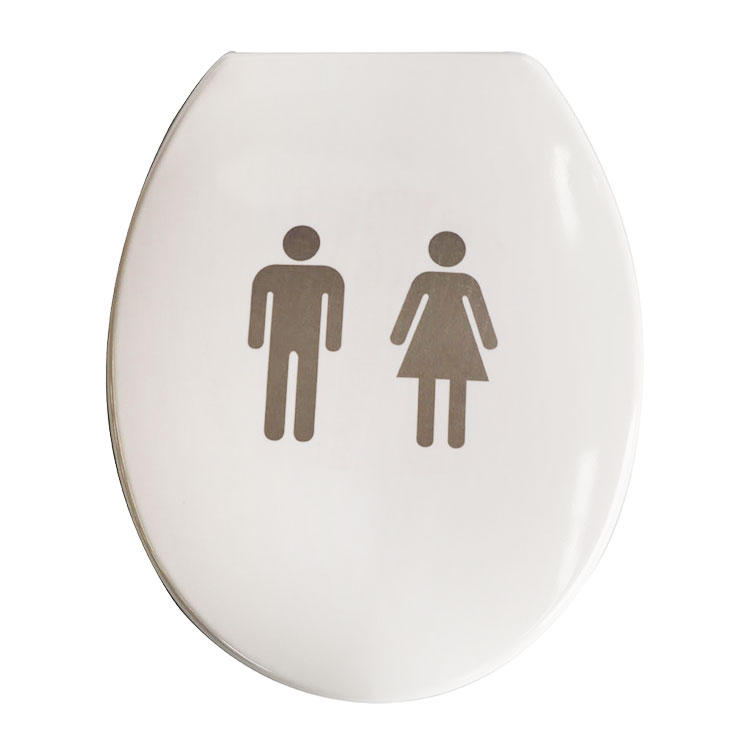
Table of Contents
- Duroplast Toilet Seat Overview
- Common Customer Pain Points
- Properties of Duroplast Material
- How to Choose the Right Duroplast Toilet Seat
- Installation and Performance Factors
- Comparison of Toilet Seat Materials
- Maintenance and Longevity Tips
- Application Scenarios
- Frequently Asked Questions
- Conclusion and Contact Us
Duroplast Toilet Seat Overview
Duroplast is a high-strength thermosetting plastic known for its rigidity, resistance to wear, and ability to retain shape over time. Toilet seats made from Duroplast are popular because they combine robustness with smooth surface finishes, making them suitable for high-use environments. Unlike conventional plastic or wooden seats, Duroplast seats resist cracking, fading, and bacterial growth, providing a long-lasting and hygienic solution.
Fine Era produces Duroplast toilet seats designed for comfort, durability, and aesthetic appeal. The company emphasizes material quality, ergonomic design, and compatibility with various toilet models.
Common Customer Pain Points
Even with durable materials, customers face certain challenges that can impact the usability and longevity of toilet seats. Identifying these issues helps in selecting and maintaining the right product.
- Cracking or warping over time in low-quality seats
- Discoloration due to harsh cleaning chemicals
- Surface scratches and dullness from daily use
- Difficulty in maintaining hygiene in busy environments
- Loose hinges causing instability or noise
Choosing high-quality Duroplast seats from reliable manufacturers like Fine Era can mitigate these problems and improve user experience.
Properties of Duroplast Material
Duroplast offers several distinct properties that make it ideal for toilet seats:
- High mechanical strength: Resists cracking under pressure
- Scratch and stain resistance: Maintains surface appearance
- Hygienic surface: Smooth, non-porous material prevents bacterial growth
- Heat and chemical resistance: Withstands cleaning agents and temperature fluctuations
- Lightweight yet durable: Easy to handle without compromising durability
How to Choose the Right Duroplast Toilet Seat
Selecting the correct Duroplast seat involves evaluating factors beyond just material quality:
- Compatibility with your toilet model and mounting style
- Ergonomic design for comfort and posture support
- Finish type (glossy vs matte) for aesthetic and cleaning preferences
- Soft-close or standard hinge options for noise reduction
- Durability ratings and manufacturer warranty
Fine Era provides technical specifications and support to help customers make informed decisions based on their bathroom environment and usage needs.
Installation and Performance Factors
Proper installation significantly affects the performance and longevity of Duroplast toilet seats:
- Secure mounting ensures stability and prevents wobbling
- Use of compatible screws and hinges to avoid damage
- Correct alignment to reduce stress on the seat surface
- Regular inspection to prevent loosening over time
Following installation guidelines from Fine Era ensures a reliable and comfortable seating experience.
Comparison of Toilet Seat Materials
| Material | Durability | Hygiene | Comfort | Typical Applications |
|---|---|---|---|---|
| Duroplast | High | Excellent (non-porous) | Moderate-High | Residential, commercial, public restrooms |
| Thermoplastic | Moderate | Good | Moderate | Residential bathrooms |
| Wood/MDF | Low-Moderate | Poor (porous surface) | High | Luxury or decorative bathrooms |
| Polyresin | Moderate | Moderate | Moderate | Specialty decorative applications |
Maintenance and Longevity Tips
To extend the life of a Duroplast toilet seat and maintain hygiene:
- Clean with mild, non-abrasive detergents
- Avoid chlorine-based or harsh chemical cleaners
- Wipe spills immediately to prevent staining
- Check hinges periodically and tighten as needed
- Do not stand or apply excessive weight on the seat
Routine maintenance ensures the seat remains visually appealing, hygienic, and structurally sound for years.
Application Scenarios
Duroplast toilet seats are suitable for a variety of settings due to their strength, hygiene, and design versatility:
- Residential bathrooms seeking long-lasting performance
- Hotels and hospitality for frequent use and cleanliness
- Commercial restrooms requiring easy maintenance
- Public facilities where durability and hygiene are critical
- Luxury or modern bathrooms needing aesthetic finishes
Frequently Asked Questions
Are Duroplast toilet seats more hygienic than wood?
Yes, the non-porous surface of Duroplast prevents bacteria accumulation and is easier to clean than wood.
Can I install a Duroplast seat on any toilet?
Most Duroplast seats are compatible with standard toilet sizes, but it’s important to check mounting specifications.
Do Duroplast seats crack easily?
High-quality Duroplast seats, such as those from Fine Era, resist cracking and maintain structural integrity under normal use.
Is special cleaning required for Duroplast seats?
No. Gentle, non-abrasive cleaners are sufficient, avoiding harsh chemicals for long-lasting finish.
Conclusion and Contact Us
Duroplast toilet seats combine durability, hygiene, and comfort, offering a reliable solution for both residential and commercial bathrooms. By understanding material properties, proper selection, installation, and maintenance, users can maximize the lifespan and performance of their toilet seats.
Fine Era provides premium Duroplast toilet seats designed for long-term durability, ease of maintenance, and modern aesthetics. To explore our range of products or receive expert guidance on the ideal seat for your bathroom, contact us today and let Fine Era support your hygiene and comfort needs.
Previous:Why Choose an MDF Toilet Seat?
Send Inquiry


X
We use cookies to offer you a better browsing experience, analyze site traffic and personalize content. By using this site, you agree to our use of cookies.
Privacy Policy
News
- How To Choose A Reliable Toilet Seat Supplier In China: A Complete Guide For Importers2026/06/17
China is one of the world's largest manufacturing bases for toilet seats, supplying MDF toilet seats, Duroplast toilet seats, and PP toilet seats to importers, distributors, retailers, and private-label brands worldwide. However, choosing the right supplier is about more than finding the lowest p......
 Why the Soft Close Toilet Seat Is Gaining Popularity in the German Market2026/04/17
In recent months, search data shows a significant rise in demand for the soft close toilet seat across Germany. This trend reflects a growing preference among consumers for products that combine comfort, durability, and modern design. For distributors, wholesalers, and retailers, the soft close toil......